Translate

sábado, 9 de março de 2024

A24 em 2024: 5 filmes da badalada distribuidora para ficar de olho (Bilíngue)

E não se esqueçam de curtir e seguir o blog nas redes sociais:

(And don't forget to like and follow the blog in social medias:)

Facebook: https://www.facebook.com/NoCinemaComJoaoPedroBlog/

Twitter: @nocinemacomjp2

Instagram: @nocinemacomjpblog

YouTube: https://youtube.com/@nocinemacomjp


Ano passado, a A24, fundada em 2012, se tornou a primeira distribuidora de filmes na história do Oscar a vencer as 6 principais categorias (Melhor Filme, Direção, Ator, Atriz, Ator Coadjuvante e Atriz Coadjuvante) em uma única noite. Nestes 12 anos de história, ela reuniu uma legião de fãs fervorosos, com seus filmes sendo uma alternativa mais autoral e artística para o domínio dos blockbusters. Seja pela abordagem ousada e original de suas tramas (como em “Tudo em Todo Lugar ao Mesmo Tempo”) ou pelo caráter íntimo e pessoal que os diretores imprimem no resultado final (como em “Aftersun” e “Vidas Passadas”), a A24 se tornou uma gigante no cinema contemporâneo, deixando todos os cinéfilos curiosos para o que ela tem a oferecer a cada ano. Por isso, na postagem de hoje, listarei cinco filmes dela que serão lançados em 2024 e que merecem a sua atenção. Vamos lá!

(Last year, A24, funded in 2012, became the first film distributor in Oscar history to win all 6 main categories (Best Picture, Directing, Actor, Actress, Supporting Actor and Supporting Actress) in a single night. In these 12 years of history, they gathered a legion of fervorous fans, with their films being a more auteur-driven and artistic alternative to the blockbuster dominion. Whether it's because of the bold, original approach of their plots (as in “Everything Everywhere All at Once”) or for the intimate, personal vein the directors inject into the final result (as in “Aftersun” and “Past Lives”), A24 became a giant in contemporary cinema, leaving all film buffs curious to what they have to offer each year. Therefore, in today's post, I'll list five of their films that will be released in 2024 and that deserve your full attention. Let's go!)


  • A DIFFERENT MAN”, dirigido por Aaron Schimberg – Data de estreia a definir

    (“A DIFFERENT MAN”, directed by Aaron Schimberg – Release date TBD)

Já vamos começar com um filme que promete ser bem original. “A Different Man” (Um Homem Diferente, em tradução livre) conta a história de Edward (Sebastian Stan), um homem com neurofibromatose (caracterizada pelo crescimento de tumores no sistema nervoso) que enfrenta várias cirurgias de reconstrução facial para ter um novo início em sua vida. Quando uma peça de teatro sobre sua vida anterior às cirurgias é anunciada, Edward fica obcecado com o ator (Adam Pearson, que realmente tem neurofibromatose) que irá lhe interpretar nos palcos. Além da dupla citada, o longa também tem a ótima Renate Reinsve (“A Pior Pessoa do Mundo”) no elenco. Após estreias mundiais nos Festivais de Sundance e Berlim, “A Different Man” acumulou críticas majoritariamente positivas e rendeu a Sebastian Stan o Urso de Prata de Melhor Atuação no último. Parecendo misturar “Persona”, de Ingmar Bergman, com “O Homem Elefante”, de David Lynch, o terceiro longa de Aaron Schimberg promete trazer mensagens relevantes sobre os dois lados da moeda que é o ato de se transformar.

(We're already starting off with a film that promises to be very original. “A Different Man” tells the story of Edward (Sebastian Stan), a man with neurofibromatosis (which is characterized by the growth of tumors in the nervous system) who undergoes several facial reconstruction surgeries in order to get a new start on life. When a play about his life before the surgeries is announced, Edward becomes fixated on the actor (Adam Pearson, who actually has neurofibromatosis) who will portray him onstage. Besides the aforementioned duo, the feature also has the great Renate Reinsve (“The Worst Person in the World”) in the cast. After world premieres in the Sundance and Berlin Film Festivals, “A Different Man” gathered mostly positive reviews and won Sebastian Stan the Silver Bear for Best Leading Performance in the latter. Seeming to blend Ingmar Bergman's “Persona” with David Lynch's “The Elephant Man”, Aaron Schimberg's third film promises to convey timely messages on the two sides of the coin that is the act of transforming oneself.)


  • GUERRA CIVIL”, dirigido por Alex Garland – 18 de abril nos cinemas

    (“CIVIL WAR”, directed by Alex Garland – In theaters April 12)

Com um orçamento de US$50 milhões, o quarto longa de Alex Garland (“Ex Machina”, “Men: Faces do Medo”) é a produção mais cara da A24 até o presente momento, e é preciso admirar a coragem da distribuidora e de seu diretor de lançar “Guerra Civil” em um ano de eleição nos EUA. Ambientado em um futuro próximo, a trama acompanha uma equipe de jornalistas que precisam atravessar o território estadunidense, cujo governo ditatorial está em guerra com forças separatistas lideradas pelos estados do Texas e da Califórnia. Novamente adentrando no subgênero da distopia, Garland promete fazer mais um filme preparado para iniciar discussões entre seus espectadores, especialmente levando em conta o contexto sociopolítico de seu país de origem. Com um elenco absurdamente talentoso, que inclui nomes como Kirsten Dunst, Wagner Moura, Jesse Plemons, Nick Offerman e Cailee Spaeny, “Guerra Civil” tem tudo para ser mais um clássico “ame ou odeie” na filmografia de seu cineasta, e mal posso esperar para ver as primeiras reações após a sua primeira exibição no Festival South by Southwest este mês. Assista o trailer neste link.

(With a budget of US$50 million, the fourth film by Alex Garland (“Ex Machina”, “Men”) is the most expensive A24 production to date, and you can't help but admire the distributor and the director's guts in releasing “Civil War” during an election year in the US. Set in a near future, the plot follows a team of journalists who need to cross American territory, where its dictatorial government is at war with separatist forces led by the states of Texas and California. Once again delving into the dystopian subgenre, Garland promises to make another film ready to spark conversations among its viewers, especially considering the sociopolitical climate in its country of origin. With an absurdly talented cast, which includes names like Kirsten Dunst, Wagner Moura, Jesse Plemons, Nick Offerman and Cailee Spaeny, “Civil War” has everything to be another classic “love it or hate it” offering in its filmmaker's body of work, and I can't wait to see the first reactions to it after its first screening in the South by Southwest Festival this month. Watch the trailer here.)


  • I SAW THE TV GLOW”, dirigido por Jane Schoenbrun – Data de estreia a definir

    (“I SAW THE TV GLOW”, directed by Jane Schoenbrun – In theaters May 3)

É claro que não podemos falar de A24 sem falar do gênero que a popularizou: o terror. Após ter nos introduzido a vozes originais no gênero, como Robert Eggers (“A Bruxa”) e Ari Aster (“Hereditário”), chegou a vez da diretora Jane Schoenbrun injetar sua própria abordagem na fórmula com seu segundo longa-metragem de ficção, “I Saw the TV Glow” (Eu Vi o Brilho da TV, em tradução livre). Após ter deixado sua marca com o enervante “We're All Going to the World's Fair”, a nova trama de Schoenbrun acompanha uma dupla de adolescentes (Justice Smith e Brigitte Lundy-Paine) que ficam obcecados com um programa cult de televisão, o qual começa a distorcer suas realidades de uma maneira surreal. O terror da cineasta tem focado na obsessão humana pela mídia, abordando aspectos como as “creepypastas” e os desafios virais, e “I Saw the TV Glow” promete seguir a mesma linha, conectando a dualidade entre o analógico e o digital com o sentimento pertinente da juventude atual de querer pertencer a algo, encontrar sua identidade. O longa foi um dos mais aclamados do Festival de Sundance, com as críticas comparando o terror psicológico do enredo com o de David Lynch (“Cidade dos Sonhos” e “Twin Peaks”) e algumas até chamando-o de “obra-prima”. E julgando somente pelo trailer, vai ser uma jornada deliciosamente bizarra e talvez surpreendentemente emocionante. Assistam o trailer (em inglês) neste link.

(Of course we can't talk about A24 without talking about the genre that made it popular: horror. After they introduced us to original voices in the genre, like Robert Eggers (“The Witch”) and Ari Aster (“Hereditary”), it's now director Jane Schoenbrun's turn to inject their own approach to the formula with their second fiction feature-length film, “I Saw the TV Glow”. After leaving their mark with the unnerving “We're All Going to the World's Fair”, Schoenbrun's new plot follows a pair of teenagers (Justice Smith and Brigitte Lundy-Paine) who become obsessed with a cult television show, which starts to distort their realities in a surreal way. The filmmaker's horror has focused on the human obsession over media, approaching aspects like creepypastas and viral challenges, and “I Saw the TV Glow” promises to follow the same path, connecting the duality between analog and digital with the pertinent feeling of today's youth of wanting to belong to something, to find their identity. The film was one of the most acclaimed works screened at the Sundance Film Festival, with reviews comparing the plot's psychological horror to that of David Lynch (“Mulholland Drive” and “Twin Peaks”) and some even calling it a “masterpiece”. And judging on the trailer alone, we're in for a deliciously bizarre and maybe surprisingly emotional ride. Watch the trailer here.)


  • SING SING”, dirigido por Greg Kwedar – Data de estreia a definir

    (“SING SING”, directed by Greg Kwedar – In theaters in July)

Desviando um pouco da ousadia e adentrando no caráter mais íntimo e pessoal das obras da A24, “Sing Sing” é baseado em fatos reais, acompanhando o programa de reabilitação artística da prisão de segurança máxima Sing Sing, no estado de Nova York. A trama em si conta a história de um grupo de presidiários que tenta encenar uma comédia teatral de sua própria autoria, focando em Divine G (Colman Domingo), preso por um crime que não cometeu. Fora Domingo e Paul Raci, todo o elenco de “Sing Sing” é composto por ex-membros do programa de reabilitação artística da unidade correcional, resultando em uma autenticidade no retrato que o diretor Greg Kwedar deseja realizar. O filme teve sua primeira exibição no Festival de Toronto de 2023, onde recebeu aclamação por parte da crítica e foi adquirido pela A24, em uma batalha concorrida pelos direitos de distribuição. Parecendo ser uma mistura entre “Um Sonho de Liberdade”, “O Som do Silêncio” e uma pitadinha de “Primavera para Hitler” no aspecto teatral, “Sing Sing” promete ser uma história profundamente emocionante sobre a função transformadora da arte como terapia, e já desponta como um possível indicado ao Oscar na corrida de premiações de 2024-2025. Assistam o trailer (em inglês) neste link.

(Taking a detour from the boldness and going into the intimate, personal character in A24's works, “Sing Sing” is based on real events, following the real-life Rehabilitation Through the Arts program at Sing Sing Correctional Facility, a maximum security prison in the state of New York. The plot itself tells the story of a group of convicts who try to stage a theatrical comedy they wrote, focusing on Divine G (Colman Domingo), who was arrested for a crime he didn't commit. Ruling out Domingo and Paul Raci, the entire cast of “Sing Sing” is composed by former members of the Rehabilitation Through the Arts program at the correctional facility, resulting in a true authenticity in the portrayal that director Greg Kwedar wishes to accomplish. The film had its first screening at the 2023 Toronto Film Festival, where it was critically acclaimed and acquired by A24, in a heated battle for distribution rights. Seeming like a blend between “The Shawshank Redemption”, “Sound of Metal” and a pinch of “The Producers” on the theatrical side, “Sing Sing” promises to be a deeply emotional story on the transformative function of art as therapy, and is already a strong contender for the Oscars in the upcoming 2024-2025 award season. Watch the trailer here.)


  • Y2K”, dirigido por Kyle Mooney – Data de estreia a definir

    (“Y2K”, directed by Kyle Mooney – Release date TBD)

A estreia na direção do veterano do programa de esquetes “Saturday Night Live” Kyle Mooney, “Y2K” aborda uma linha do tempo alternativa onde o fenômeno do “bug do milênio” (que previa uma falência em massa da infraestrutura de empresas que eram mais dependentes de computadores) realmente aconteceu, acompanhando dois estudantes do ensino médio que entram de penetra em uma festa de Ano Novo e acabam tendo que lutar por suas vidas. Com um elenco predominantemente jovem, encabeçado pelos talentos de Jaeden Martell (“It: A Coisa”), Julian Dennison (“A Incrível Aventura de Ricky Baker”) e Rachel Zegler (“Amor, Sublime Amor”), “Y2K” deve ser um longa-metragem que encaixe no senso de humor surreal e surpreendentemente emocionante de Mooney, protagonista e roteirista do inventivo e sentimental “As Aventuras de Brigsby Bear”. Tomara que o resultado final seja uma comédia de desastre divertida e bizarra, similar à “É O Fim”, destinado a ser um clássico cult em um futuro próximo.

(The directorial debut of Kyle Mooney, a veteran performer of the sketch show “Saturday Night Live”, “Y2K” approaches an alternate timeline in which the projected Y2K event (which predicted a mass breakdown in the infrastructure of companies that heavily relied on computers) actually happened, following two high school students who crash a New Year's Eve party and end up having to fight for their lives. With a predominantly young cast, led by the talents of Jaeden Martell (“It”), Julian Dennison (“Hunt for the Wilderpeople”) and Rachel Zegler (“West Side Story”), “Y2K” should be a feature that fits into the surreal and surprisingly emotional sense of humor of Mooney, who starred in and co-wrote the inventive and sentimental “Brigsby Bear”. Here's to hoping the final result is a fun, bizarre disaster comedy, in the vein of “This is the End”, destined to be a cult classic in the near future.)


É isso, pessoal! Espero que tenham gostado! Até a próxima,

João Pedro

(That's it, guys! I hope you liked it! See you next time,

João Pedro)

sábado, 2 de março de 2024

Oscar 2024: minhas apostas finais, em todas as 23 categorias (Bilíngue)

E não se esqueçam de curtir e seguir o blog nas redes sociais:

(And don't forget to like and follow the blog in social medias:)

Facebook: https://www.facebook.com/NoCinemaComJoaoPedroBlog/

Twitter: @nocinemacomjp2

Instagram: @nocinemacomjpblog

YouTube: https://www.youtube.com/@nocinemacomjp


Daqui a uma semana, será realizada a 96a cerimônia do Oscar, celebrando o que tivemos de melhor na sétima arte em 2023. Liderado por obras-primas como “Oppenheimer”, “Pobres Criaturas” e “Assassinos da Lua das Flores”, a premiação promete ser bem eclética na seleção de seus vencedores. De acordo com premiações passadas, como o Critics' Choice Awards, o BAFTA e os prêmios do Sindicato Americano de Atores, Produtores e Diretores, algumas categorias já têm seus vencedores garantidos; já outras se encontram em uma corrida acirrada entre dois concorrentes. Então, aqui vão as minhas apostas finais para o Oscar 2024, em todas as 23 categorias. Vamos lá!

(In one week from now, the 96th Academy Awards ceremony will take place, celebrating the best of what we had for movies in 2023. Led by masterpieces such as “Oppenheimer”, “Poor Things” and “Killers of the Flower Moon”, the award show promises to be very eclectic in the selection of its victors. According to previous award ceremonies, like the Critics' Choice Awards, the BAFTAs and the Screen Actors, Producers and Directors' Guild Awards, some categories already have guaranteed winners; others find themselves in a very tight race between two contenders. So, here are my final bets for the 2024 Oscars, in all 23 categories. Let's do this!)


Melhor Filme, Direção, Atuações e Roteiros

Nas duas categorias principais, não teremos surpresas: a noite certamente irá coroar “Oppenheimer” e seu diretor, Christopher Nolan, com os prêmios de Melhor Filme e Direção, após vitórias no Globo de Ouro, no Critics' Choice Awards, no BAFTA, no Prêmio do Sindicato dos Produtores (melhor termômetro para a categoria principal) e no Prêmio do Sindicato dos Diretores. A nova obra de Nolan não é a minha favorita para vencer Melhor Filme; para mim, o melhor indicado continua sendo “Assassinos da Lua das Flores”, de Martin Scorsese. Porém, será uma vitória justa, já que “Oppenheimer” consegue ser o filme mais completamente realizado de seu diretor.

Nas categorias de atuação, temos uma corrida acirrada em Melhor Ator e Melhor Atriz; porém, alguns concorrentes possuem vantagens que podem contar na hora H. A categoria de Melhor Ator está entre Paul Giamatti, por “Os Rejeitados” e Cillian Murphy, por “Oppenheimer”; já a de Melhor Atriz, entre Lily Gladstone, por “Assassinos da Lua das Flores” e Emma Stone, por “Pobres Criaturas”. Embora Giamatti e Stone tenham vencido o Critics' Choice Awards; Murphy e Gladstone levaram os Prêmios do Sindicato dos Atores (a melhor previsão para atuações no Oscar) nestas categorias. Por isso, creio que Cillian Murphy e Lily Gladstone merecidamente vencerão por “Oppenheimer” e “Assassinos da Lua das Flores”. Já nas categorias de Melhor Ator Coadjuvante e Atriz Coadjuvante, não temos competição: Robert Downey Jr. por “Oppenheimer” e Da'Vine Joy Randolph por “Os Rejeitados”.

Nas categorias de Roteiro Adaptado e Roteiro Original, será um pouco mais difícil de prever, já que o Prêmio do Sindicato dos Roteiristas ainda não foi entregue. Porém, tendo algumas outras premiações como referência, é possível apontar as prováveis vitórias. Até algum tempo atrás, acreditava que o roteiro de Tony McNamara por “Pobres Criaturas” seria o vencedor de Melhor Roteiro Adaptado; porém, vieram o BAFTA e o Critics' Choice Awards, que coroaram “Ficção Americana”, sátira afiada de Cord Jefferson, como o vencedor na categoria, cimentando-o como favorito, e merecidamente. Já em Roteiro Original, por mais que eu deseje que Celine Song vença por “Vidas Passadas”, o Globo de Ouro e o BAFTA apontaram para outra vitória merecida: “Anatomia de uma Queda”, o vencedor da Palma de Ouro dirigido por Justine Triet, um suspense de tribunal frio, ambíguo e calculista, uma abordagem original em um subgênero que tende a ser enfadonho.

(Best Picture, Director, Acting and Screenplays

In the two main categories, we'll have no surprises: the night will certainly crown “Oppenheimer” and its director, Christopher Nolan, with the awards for Best Picture and Director, after wins at the Golden Globes, Critics' Choice Awards, BAFTAs, Producers Guild Awards (the best thermometer for the main category) and Directors Guild Awards. Nolan's new work isn't my personal favorite to win Best Picture; to me, the best nominee remains Martin Scorsese's “Killers of the Flower Moon”. However, it will be a fair win, as “Oppenheimer” manages to be the most fully realized film by its director.

In the acting categories, we have very tight races in the Best Actor and Actress awards; however, some contenders have advantages that may count when it comes to winning. Best Actor stands between Paul Giamatti for “The Holdovers” and Cillian Murphy for “Oppenheimer”; and Best Actress is a face-off between Lily Gladstone for “Killers of the Flower Moon and Emma Stone for “Poor Things”. Although Giamatti and Stone have won the Critics' Choice Awards; Murphy and Gladstone won the Screen Actors Guild Awards (the best way to predict acting at the Oscars) in these categories. That's why I believe that Cillian Murphy and Lily Gladstone will deservingly win for their work in “Oppenheimer” and “Killers of the Flower Moon”. In the Best Supporting Actor and Supporting Actress, there's no discussion: Robert Downey Jr. for “Oppenheimer” and Da'Vine Joy Randolph for “The Holdovers”.

In the Adapted Screenplay and Original Screenplay categories, it will be a bit harder to predict, since the Writers' Guild of America Awards did not take place yet. However, with some previous award shows as reference, it's possible to predict the likely wins. Until some time ago, I swore that Tony McNamara's screenplay for “Poor Things” would win Adapted Screenplay; but then, came the BAFTAs and Critics' Choice Awards, which crowned “American Fiction”, Cord Jefferson's razor-sharp satire, as the victor, cementing it as the favorite to win, deservingly so. In Original Screenplay, as much as I desire for Celine Song to win for “Past Lives”, the Golden Globes and the BAFTAs pointed at another deserved win: “Anatomy of a Fall”, the Palme d'Or winner directed by Justine Triet, a cold, ambiguous, calculating courtroom thriller, an original approach to a subgenre that tends to be boring.)


Animação, Documentário, Filme Internacional e Curtas

Em Melhor Filme de Animação, temos um duelo de titãs entre “Homem-Aranha: Através do Aranhaverso” e “O Menino e a Garça”. Embora a obra de Hayao Miyazaki tenha vencido o Globo de Ouro e o BAFTA; a sequência da animação de heróis vencedora do Oscar em 2019 varreu os Annie Awards (o Oscar da Animação), vencendo em 7 categorias incluindo Melhor Filme, e ganhou o Prêmio do Sindicato dos Produtores de Melhor Filme de Animação. Então, embora seja um filme com uma história incompleta até a terceira parte lançar, creio que é seguro dizer que “Homem-Aranha: Através do Aranhaverso” vencerá, marcando a primeira vez que um filme original e sua sequência vencem na categoria. Seria ainda mais histórico ver Hayao Miyazaki, o Studio Ghibli e a animação 2D ganhando seu segundo Oscar, mas infelizmente, é menos provável.

Em Melhor Documentário, creio que a chave para prever a vitória é o cenário sociopolítico atual. Isso provavelmente foi o fator principal que levou à vitória de “Navalny” ano passado, cujo principal sujeito, Alexei Navalny, faleceu recentemente. Por isso, creio que o impactante “20 Dias em Mariupol” será o vencedor, tendo em vista o conflito ainda presente entre a Rússia e a Ucrânia. Em Melhor Filme Internacional, embora tendo um concorrente forte em “A Sociedade da Neve”, da Espanha, “Zona de Interesse”, do Reino Unido, desponta como o favorito, com indicações a Melhor Filme, Direção e Roteiro Adaptado. Assim como os outros filmes internacionais que também foram reconhecidos na categoria principal, será uma vitória mais que merecida, porque, afinal de contas, conseguiu sua vaga entre os indicados a Melhor Filme.

Nas categorias de curta-metragem, é mais difícil prever, porque poucos foram disponibilizados ao público geral. Porém, aí vão minhas apostas. Em Melhor Curta-Metragem em Live-Action, o favorito é, sem dúvidas, “A Incrível História de Henry Sugar”, curta dirigido por Wes Anderson disponível na Netflix. Dos outros quatro, apenas um (“E Depois?”) está disponível em um streaming, também da Netflix. Mas não é preciso ver nenhum dos outros indicados para provar que “Henry Sugar” será o vencedor. Não é só um dos melhores trabalhos de Wes Anderson, como é um curta que, beirando os 40 minutos, parece ter o mesmo desenvolvimento completo de um longa.

O mesmo pode ser dito por “The Last Repair Shop”, favorito a Melhor Documentário em Curta-Metragem, que em seus quase 40 minutos, conta como a música ajudou os seus personagens a se encontrarem na vida. É tocante, de aquecer o coração, e está disponível no YouTube. Podemos ter uma surpresa com “Nai Nai and Wai Po”, sobre a vida cotidiana de duas avós divertidas, mas tendo em conta o cacife de “The Last Repair Shop” ter uma distribuidora grande por trás, acho pouco provável. Na categoria de Melhor Curta Animado, não temos nenhuma obra da Disney indicada, o que é tanto um sopro de ar fresco quanto um fator que dificulta a previsão de um vencedor. Porém, tendo em vista o duplo cenário de guerra na atualidade (Rússia e Ucrânia e Israel e Hamas), não me surpreenderá se o prêmio for para “WAR IS OVER! Inspired by the Music of John and Yoko”, que venceu o Annie Awards na categoria.

(Animated Feature, Documentary, International Feature and Short Films

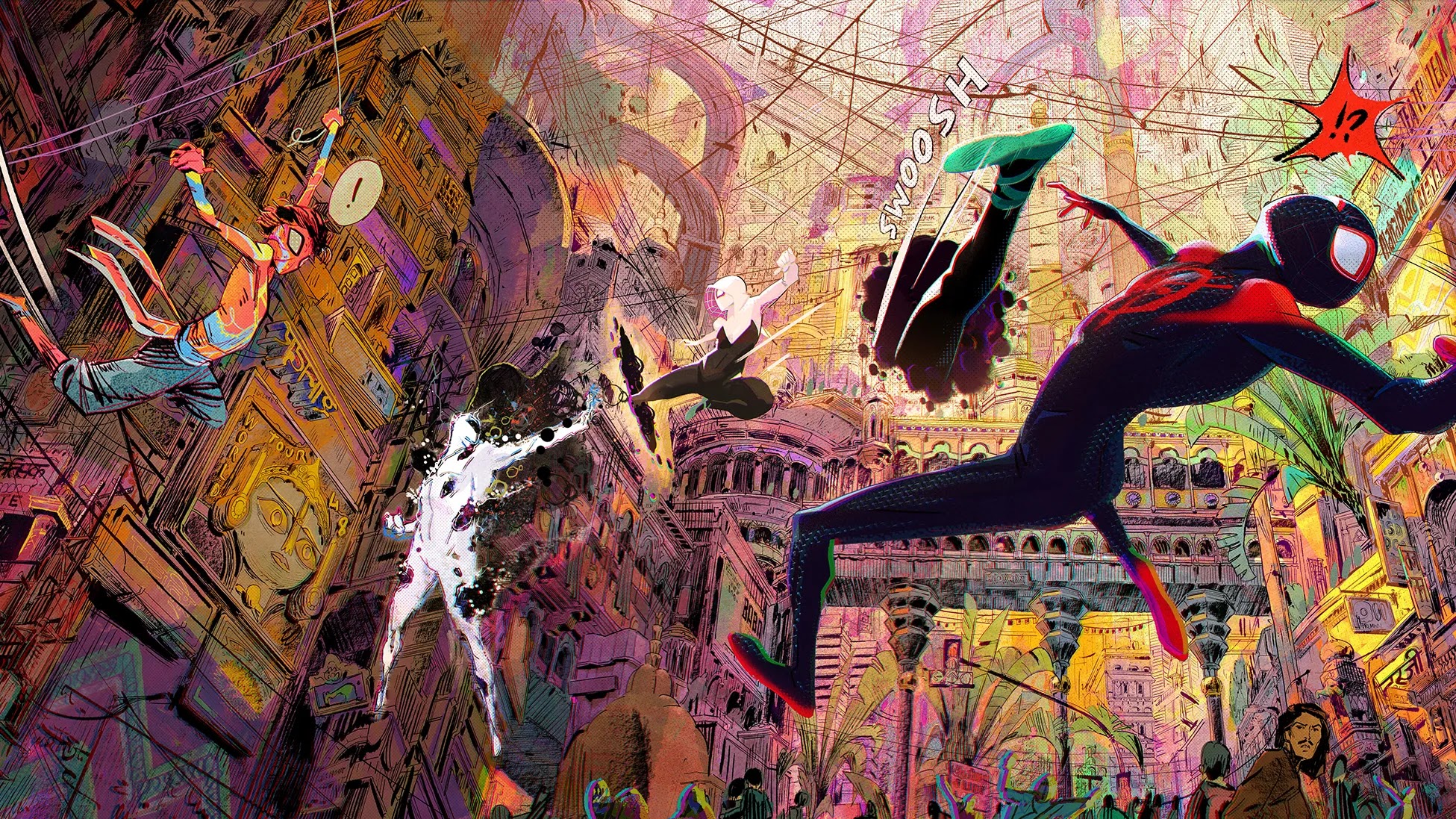
In Best Animated Feature, we have a duel of titans between “Spider-Man: Across the Spider-Verse” and “The Boy and the Heron”. Although Hayao Miyazaki's work won the Golden Globe and the BAFTA; the sequel to the Oscar-winning superhero animated film swept the Annie Awards (the Oscar of animation), winning in 7 categories including Best Animated Feature, and won the Producers Guild Award for Best Animated Feature Film. So, even though it's a film with an incomplete story until the third part is released, I think it's safe to say that “Spider-Man: Across the Spider-Verse” will win, marking the first time the original film and its sequel have both won the award. It would be even more historic to see Hayao Miyazaki, Studio Ghibli and 2D animation win their second Oscar, but unfortunately, it's less likely.

In Best Documentary Feature Film, I believe the key to predict the winner is the current sociopolitical climate. That's probably what led to “Navalny” winning last year, with its main subject, Alexei Navalny, passing away recently. Because of that, I believe that the impactful “20 Days in Mariupol” will be the winner, considering the still-present conflict between Russia and Ukraine. In Best International Feature Film, although we have a strong contender with Spain's “Society of the Snow”, the UK's “The Zone of Interest” sticks out as the favorite, with additional nods in Best Picture, Director and Adapted Screenplay. Just like every other international film that's also been nominated in the main category, it'll be a much deserved win, because, after all, it secured its spot among the Best Picture nominees.

In the short film categories, it's harder to predict, since only a few of them are available to the general public. However, here are my bets. In Best Live-Action Short Film, the favorite is, no doubt, “The Wonderful Story of Henry Sugar”, a short film directed by Wes Anderson that's available on Netflix. Out of the other four, only one (“The After”) is available to stream, also on Netflix. But you don't need to watch the other four nominees to see why “Henry Sugar” will win. Not only it's one of Wes Anderson's best work, it's also a short that, on the edge of a 40-minute runtime, manages to have the full story development of a feature-length film.

The same can be said about “The Last Repair Shop”, the favorite to win Best Documentary Short Subject, which in its almost 40 minutes, tells us how music helped its characters find their ways in life. It's touching, heartwarming and available on YouTube. We can have a surprise with “Nai Nai and Wai Po”, which follows the daily life of two fun grandmothers, but looking at how “The Last Repair Shop” has a big distributor behind it, I believe it's less likely. In the Best Animated Short Film category, we don't have a single work by Disney nominated, which is both a breath of fresh air and a factor that makes it more difficult to predict a clear winner. However, considering the double war scenario nowadays (Russia and Ukraine and Israel and Hamas), I won't be surprised if the award goes to “WAR IS OVER! Inspired by the Music of John and Yoko”, which won the Annie Award in that category.)


Categorias técnicas, Trilha Sonora e Canção Original

Nas categorias de Melhor Direção de Fotografia, Montagem e Som, o vencedor provavelmente será “Oppenheimer”, com a fotografia de Hoyte van Hoytema e a montagem de Jennifer Lame sendo reconhecidas no Critics' Choice Awards e no BAFTA. Em Melhor Som, será uma corrida muito acirrada entre o filme de Nolan e “Zona de Interesse”, que venceu o BAFTA ao fazer um uso sublime de seu design de som para injetar tensão, mas mesmo assim, creio que a vantagem será a favor de “Oppenheimer”. Na categoria de Melhores Efeitos Visuais, acho que o marketing viral de “Godzilla Minus One” levará à vitória do longa-metragem japonês, marcando a primeira vez que a franquia Godzilla vence um Oscar. Em Melhor Maquiagem e Penteado, o trabalho magistral de Kazu Hiro e equipe em “Maestro” certamente será reconhecido, pela transformação de Bradley Cooper em Leonard Bernstein, marcando a terceira vitória para o maquiador nipo-americano.

Nas categorias de Melhor Direção de Arte e Melhor Figurino, é um duelo entre “Barbie” e “Pobres Criaturas”, onde três cenários podem ocorrer: ou “Barbie” ou “Pobres Criaturas” levam ambos os prêmios, ou cada um leva um, com a terceira sendo a mais provável, na minha opinião. Em Direção de Arte, quem leva, na grande maioria das vezes, é quem recria as épocas retratadas de forma mais autêntica e fiel, como foi o caso de “A Forma da Água”, “Era Uma Vez em Hollywood” e “Nada de Novo no Front”. Pela sua recriação extremamente fiel dos brinquedos adaptados e o uso vibrante de cores, creio que “Barbie” será o vencedor. Já em Figurino, predomina a originalidade e o caráter inventivo das vestimentas, como em “Cruella”, “Pantera Negra” e “Mad Max: Estrada da Fúria”. Por isso, acho que o vencedor será o trabalho incrível de Holly Waddington em “Pobres Criaturas”, que levou o BAFTA.

Por fim, as categorias de Trilha Sonora Original e Canção Original já estão praticamente definidas. O trabalho de Ludwig Göransson em “Oppenheimer” vem dominando as premiações recentes, com vitórias no Globo de Ouro, Critics' Choice Awards, BAFTAs e nos Grammys, o que marcaria o segundo prêmio para o compositor. Já em canção, é um duelo entre duas canções de “Barbie”: “I'm Just Ken” e “What Was I Made For?”. Embora a primeira tenha sido o hino cultural de 2023, juntamente com “Peaches”, de “Super Mario Bros.: O Filme”, cruelmente esnobada; a última tem o diferencial de ter vencido os Grammys de Melhor Canção Feita para Meios Audiovisuais e Canção do Ano. Então, tudo aponta para uma segunda vitória merecida para a dupla Billie Eilish e Finneas O'Connell por “What Was I Made For?”.

(Tech categories, Original Score and Original Song

In the Best Cinematography, Editing and Sound categories, the winner will most likely be “Oppenheimer”, with Hoyte van Hoytema's cinematography and Jennifer Lame's editing being recognized at the Critics' Choice Awards and the BAFTAs. In Best Sound, it will be a very tight race between Nolan's film and “The Zone of Interest”, which won the BAFTA by making a sublime use of sound to inject tension into the narrative, but even so, I believe “Oppenheimer” will have the upper hand. In the Best Visual Effects category, I think that the viral marketing campaign for “Godzilla Minus One” will lead to a win for the Japanese feature, marking the first time the Godzilla franchise wins an Oscar. In Best Makeup and Hairstyling, the masterful work by Kazu Hiro and his team in “Maestro” will certainly be recognized, as it transformed Bradley Cooper into Leonard Bernstein, marking a third win for the Japanese-American make-up artist.

In the Best Production Design and Best Costume Design categories, it's a duel between “Barbie” and “Poor Things”, where three scenarios might occur: either “Barbie” or “Poor Things” win both awards, or each of them gets one, the latter of which I think is most likely. In Production Design, the winner, most of the times, is the work that most authentically and faithfully recreates the time and setting of the film, like in “The Shape of Water”, “Once Upon a Time in Hollywood” and “All Quiet on the Western Front”. For its extremely faithful recreation of its adapted toys and its vibrant use of color, I believe “Barbie” will be the winner. In Costume Design, the originality and inventiveness of the costumes dominates the category, like in “Cruella”, “Black Panther” and “Mad Max: Fury Road”. For that, I think that the winner will be Holly Waddington's incredible work in “Poor Things”, which won the BAFTA.

Lastly, the Best Original Score and Best Original Song categories are pretty much settled. Ludwig Göransson's work in “Oppenheimer” has dominated recent award ceremonies, with wins at the Golden Globes, Critics' Choice Awards, BAFTAs and the Grammys, which would mark a second award to the composer. In song, it's a duel between two songs from “Barbie”: “I'm Just Ken” and “What Was I Made For?”. Although the former was the cultural anthem of 2023, alongside the cruelly snubbed “Peaches” from “The Super Mario Bros. Movie”; the latter has the upper hand, as it won the Grammys for Best Song Written for Visual Media and Song of the Year. So, it all points out to a second deserved win for duo Billie Eilish and Finneas O'Connell for “What Was I Made For?”.)


Resumindo, com exceção de “Vidas Passadas” (infelizmente), as previsões acima apontam que cada um dos outros nove indicados ao Oscar de Melhor Filme vencerão em, pelo menos, uma categoria. O líder, assim como nas indicações, será “Oppenheimer”, com 8 vitórias, seguido de “Barbie”, com duas vitórias, e todos os outros indicados, com uma vitória cada. Será que o aproveitamento dessas previsões será total? Teremos que esperar até 10 de março para ver. Então, até a próxima,

João Pedro

(In a nutshell, with the exception of “Past Lives” (sadly), the predictions above point out that each of the other nine nominees for the Oscar for Best Picture will win in, at least, one category. The leader, like in the nominations, will be “Oppenheimer” with 8 wins, followed by “Barbie”, with two wins, and every other nominee, with one win each. Will the accuracy of these predictions be a total, complete one? We'll have to wait until March 10 to see. So, see you next time,

João Pedro)

domingo, 25 de fevereiro de 2024

"O Menino e a Garça": mais uma obra-prima do mestre Hayao Miyazaki (Bilíngue)

E não se esqueçam de curtir e seguir o blog nas redes sociais:

(And don't forget to like and follow the blog in social medias:)

Facebook: https://www.facebook.com/NoCinemaComJoaoPedroBlog/

Twitter: @nocinemacomjp2

Instagram: @nocinemacomjpblog

YouTube: https://www.youtube.com/@nocinemacomjp


11 anos atrás, o mestre da animação Hayao Miyazaki havia anunciado a sua aposentadoria após o lançamento de sua obra mais recente, o indicado ao Oscar “Vidas ao Vento”, uma belíssima biografia animada de Jiro Horikoshi, arquiteto do avião-caça Zero, usado pelo Japão na Segunda Guerra Mundial. Até então, o suposto último filme de Miyazaki parecia ser o seu trabalho mais pessoal, por compartilhar de sua paixão pela aviação. (Detalhe: o nome do Studio Ghibli é derivado do apelido de um avião italiano.) Corta para 2016: o animador de 75 anos anuncia que não só saiu da aposentadoria, como também começou a trabalhar em um novo longa-metragem, “O Menino e a Garça”, um dos lançamentos desta quinta-feira (22) nos cinemas brasileiros.

Livremente inspirado pelo romance “How do You Live?”, escrito por Genzaburo Yoshino em 1937, “O Menino e a Garça” foi proposto pelo cineasta como um presente de despedida para o neto de Miyazaki, considerando a idade avançada do diretor. O resultado é a animação mais ambiciosa do Studio Ghibli desde “A Viagem de Chihiro”, fazendo uso de simbolismos, elementos da mitologia japonesa e aspectos fantásticos para tratar o amadurecimento de seu protagonista de uma forma essencialmente realista. Revisitando todas as marcas registradas do Studio Ghibli no processo (a mistura entre realidade e fantasia, o foco na natureza, os momentos silenciosos, a profundidade temática), o filme acaba funcionando como uma retrospectiva do trabalho realizado pelo estúdio, celebrando a vida e a carreira de seu lendário co-fundador.

(11 years ago, animation master Hayao Miyazaki had announced his retirement after the release of his most recent work, the Oscar-nominated “The Wind Rises”, a gorgeous animated biography of Jiro Horikoshi, who designed the fighter-plane Zero,which was used by Japan in World War II. Until then, Miyazaki's alleged final film seemed like his most personal work, as it shared his passion for aviation. (Detail: the name of Studio Ghibli is derived from the nickname of an Italian plane.) Cut to 2016: the 75-year-old animator announced that he is not only leaving retirement, but also working on a new feature, “The Boy and the Heron”, which is now playing in theaters.

Loosely inspired by the novel “How do You Live?”, written by Genzaburo Yoshino in 1937, “The Boy and the Heron” was proposed by the filmmaker as a farewell gift for Miyazaki's grandson, considering the director's advanced age. The outcome is the most ambitious work of animation by Studio Ghibli since “Spirited Away”, using symbolisms, elements of Japanese mythology and fantastical aspects to deal with the coming-of-age of its protagonist in an essentially realistic way. Revisiting every trademark by Studio Ghibli in the process (the blend between reality and fantasy, the focus on nature, the silent moments, the thematic depth), the movie ends up working as a retrospective of the studio's work, celebrating the life and career of its legendary co-founder.)


Trama

Ambientada durante a Guerra do Pacífico, a trama acompanha Mahito Maki (voz original de Soma Santoki), um garoto que é forçado a se mudar com o pai para o interior do Japão, após um bombardeio atingir Tóquio e tirar a vida de sua mãe. Com dificuldades para aceitar a morte da mãe, Mahito encontra obstáculos para se adaptar à sua nova vida. Certo dia, uma garça-real o visita, alegando que a mãe do menino ainda está viva e que sua tia, a nova esposa de seu pai, fora raptada. Então, Mahito parte em uma aventura, repleta de diversos perigos, para resgatar sua tia e tentar reencontrar sua mãe.

(Plot

Set during the Pacific War, the plot follows Mahito Maki (voiced by Soma Santoki), a boy who is forced to move out with his father to countryside Japan, after a bombing hits Tokyo and takes his mother's life. Struggling to come to terms with his mother's death, Mahito finds obstacles in order to adapt to his new life. One day, he is visited by a grey heron, who claims that the boy's mother is still alive and that his aunt, his father's new wife, was kidnapped. So, Mahito sets off on an adventure, filled with several perils, in order to rescue his aunt and try to reunite with his mother.)


Uma jornada de amadurecimento

Creio que “O Menino e a Garça” deve muito à obra-prima vencedora do Oscar “A Viagem de Chihiro”, por ambos serem jornadas de amadurecimento. É possível fazer uma lista com as similaridades entre os dois trabalhos de Miyazaki, porém a principal delas é que tudo nos dois filmes serve como instrumento para auxiliar no amadurecimento de seus protagonistas. Assim como todas as provações de Chihiro a levam de uma criança birrenta a uma jovem moça trabalhadora e independente, o desenrolar da nova obra do diretor realiza algo similar para Mahito, que inicia a trama como uma pessoa silenciosa, fechada a qualquer tipo de comunicação e claramente atribulada. Ao longo da história, ele encontra diversos obstáculos que o forçam a conhecer e se comunicar com outras pessoas, que o ajudam a lidar com seus problemas.

Nesse ponto de vista, o roteiro de Miyazaki se conecta de maneira significativa com o romance de Genzaburo Yoshino, “How do You Live?”, o qual acompanha o amadurecimento emocional e espiritual de seu protagonista adolescente, também órfão, enquanto lida com problemas que atribulam tanto a ele próprio quanto aqueles ao seu redor, como o bullying e a pobreza. Ele é frequentemente aconselhado pelo seu tio, que serve de figura paterna, um acadêmico que oferece seus pontos de vista sobre os mais diversos assuntos, como economia, política e guerra. É incrível ver como as duas obras se conectam com a proposta do diretor de “O Menino e a Garça” ser um presente de despedida para o neto, tornando possível apontar as similaridades entre os personagens e as figuras da vida real que os inspiraram.

Outro aspecto que fortalece o caráter melancólico e agridoce da trama de “O Menino e a Garça” é a sua abordagem da morte, e em especial a aceitação dela. O mundo fantástico em que Miyazaki nos insere é apresentado como uma espécie de limbo: não é a realidade de Mahito, mas também não é o céu ou o inferno. Nesta perspectiva, o filme me lembrou muito de “Soul”, da Pixar, já que essa realidade surreal é interpretada como um estado pré-vida. As similaridades vão além dos ambientes, já que tanto Joe e 42 quanto Mahito aprendem a viver através das situações mais simples, como o compartilhamento de uma refeição ou o trabalho conjunto realizado ao lado de alguém. É algo que, em teoria, seria tão ínfimo, mas que, nas mãos de uma lenda como Hayao Miyazaki, consegue reter um poder incrível.

(A coming-of-age journey

I believe that “The Boy and the Heron” owes a lot to the Oscar-winning masterpiece that is “Spirited Away”, as they are both coming-of-age journeys. One can make a list with the similarities between the two works by Miyazaki, but the main one of them is that everything in both movies serves as an instrument to help their protagonists become more mature. Just like every trial Chihiro faced lead her from a tantrum-throwing child to a hard-working, independent young woman, the development of the director's new work makes something similar to Mahito, who begins the plot as a quiet person, who's shut from every type of communication and is clearly troubled. Throughout the story, he encounters several obstacles that force him to get to know and talk to other people, who help him deal with his problems.

In that point of view, Miyazaki's screenplay connects in a significant way with Genzaburo Yoshino's novel “How do You Live?”, which follows the emotional and spiritual growth of its teenage protagonist, who is also orphaned, as he deals with problems that concern both himself and those around him, such as bullying and poverty. He frequently receives advice from his uncle, who is his father figure, a scholar who offers his points of view on various subjects, such as economy, politics and war. It's incredible to see how both works connect with the director's proposal of making “The Boy and the Heron” as a farewell gift to his grandson, making it possible to point out the similarities between the characters and the real-life figures who inspired them.

Another aspect that strengthens the melancholic and bittersweet tone of the plot for “The Boy and the Heron” is its approach of death, and especially the acceptance of it. The fantastical world in which Miyazaki puts us is presented as some sort of limbo: it's not Mahito's reality, but it's also not Heaven or Hell. In that perspective, the film reminded me a lot of Pixar's “Soul”, as this surreal reality is interpreted as a pre-life state. The similarities go beyond the environments, as both Joe and 42 and Mahito learn how to live through the most simple situations, such as the sharing of a meal or the hard work done by someone's side. It's something that, in theory, would be so pointless, but that, in the hands of a legend like Hayao Miyazaki, holds an awesome power.)


A vida e carreira de Hayao Miyazaki, animada

Mais interessante do que ver como Miyazaki indiretamente aborda a sua iminente partida para o seu neto é perceber o quanto de si mesmo o diretor coloca na trama de “O Menino e a Garça”. Assim como Mahito, Miyazaki teve que se mudar com sua família para o interior do Japão por causa da guerra. Tanto o pai de Mahito quanto o pai do cineasta foram empregados por uma empresa responsável pela manufatura de peças de aviões-caça. Bem provavelmente, foi daí que a paixão de Hayao pela aviação deve ter surgido. A perda da mãe de Mahito em um incêndio possui paralelos pessoais com a morte da mãe de Miyazaki, uma portadora de fortes opiniões que é vista como a principal inspiração para as suas personagens femininas. Não coincidentemente, as mulheres de Miyazaki são escritas como as figuras mais fortes e independentes de suas tramas. Só por estas similaridades, esta é, de longe, a obra mais pessoal da carreira do diretor.

A pessoalidade vai além da abordagem de aspectos pessoais na vida de Miyazaki, com “O Menino e a Garça” funcionando como uma retrospectiva do trabalho realizado pelo Studio Ghibli até o momento. Todas as marcas registradas do diretor se encontram muito presentes aqui: além das personagens femininas fortes, temos a mistura entre realidade e fantasia, o foco na natureza, o uso da mitologia japonesa, os silêncios significativos, o retrato poético de situações essencialmente banais, narrativas complexas que não deixam absolutamente nenhuma ponta solta. Do mesmo modo que o filme é uma celebração da vida e carreira de seu autor, ele também celebra a trajetória louvável de seu estúdio, o que faz sentido, sendo que este, teoricamente, seria o último filme de Hayao Miyazaki e, possivelmente, do Studio Ghibli. Agora, já sabemos que o mestre se recusa em se aposentar e já está trabalhando em algo novo, mas sua obra mais recente, assim como “Vidas ao Vento”, é repleta de tons melancólicos de despedida. E não seria uma maneira ruim de se despedir.

(The life and career of Hayao Miyazaki, animated

More interesting to see how Miyazaki indirectly approaches his imminent departure to his grandson is to realize how the director puts a lot of himself into the plot for “The Boy and the Heron”. Just like Mahito, Miyazaki had to move with his family to countryside Japan because of the war. Both Mahito's and the filmmaker's fathers were employed by a company that manufactures parts for fighter planes. Quite probably, Hayao's passion for aviation was originated from that particular fact. The loss of Mahito's mother in a fire has personal parallels with the death of Miyazaki's mother, who was a bearer of strong opinions and seen as the main inspiration for his female characters. Not coincidentally, Miyazaki's women are written as the strongest, most independent figures in his stories. For those similarities alone, this is, by far, the most personal work in the director's career.

The personality goes beyond the approach of particular aspects of Miyazaki's life, with “The Boy and the Heron” working as a retrospective of the work done by Studio Ghibli to this date. All of the director's trademarks are very present here: besides the strong female characters, we have the blend between fantasy and reality, the focus on nature, the use of Japanese mythology, the meaningful silences, the poetic portrayal of essentially banal situations and complex narratives that don't leave one single loose end, connecting every dot throughout the runtime. In the same way the film is a celebration of its author's life and career, it also celebrates the praise-worthy trajectory of its studio, which makes sense, as this, theoretically, would be both the final film by Hayao Miyazaki and, quite possibly, Studio Ghibli. Now, we already know that the master refuses to retire and is already working on something new, but his most recent work, like “The Wind Rises”, is filled with melancholic farewell undertones. And it wouldn't be a bad way to say goodbye.)


A beleza e o charme da tradição

Felizmente, com a exceção de “Aya e a Bruxa” (quanto menos falarmos sobre este filme, melhor), o Studio Ghibli tem mantido a regra de realizar somente animações 100% desenhadas a mão, servindo como um sopro de ar fresco em meio ao domínio da animação computadorizada. A dedicação e o esforço de Miyazaki e sua equipe são claramente refletidos na estética visual suntuosa de “O Menino e a Garça”. O caráter rebuscado da animação no retrato de algumas ambientações retém um charme nostálgico que vem faltando muito nas animações de hoje em dia, remetendo ao trabalho feito pela Disney nas décadas de 1940 e 1950. O uso de métodos tradicionais também permite ao diretor exagerar nas feições de seus personagens, sem o propósito de torná-las realistas, e isso auxilia tanto no charme quanto no alívio cômico, o qual é surpreendentemente muito presente na trama. Minha torcida pelo Oscar de Melhor Filme de Animação vai para “O Menino e a Garça” por várias razões, mas a principal delas é porque, caso ele vença, será o segundo filme animado de forma tradicional a ganhar o prêmio, após “A Viagem de Chihiro”, também de Hayao Miyazaki.

Como a cereja no topo deste bolo maravilhoso que é uma animação do Studio Ghibli e Hayao Miyazaki, temos a presença sempre bem-vinda da belíssima trilha sonora instrumental do compositor frequente do estúdio e do diretor, Joe Hisaishi. Composta de peças simples, mas incríveis conduzidas pelo piano e por uma seção de violinos, Hisaishi consegue capturar com maestria os tons banais, poéticos, melancólicos e lúdicos da trama de “O Menino e a Garça” através da música, sendo o complemento sonoro perfeito para a história que Miyazaki constrói. Um último destaque fica com a canção original nos créditos finais do longa, “Spinning Globe”, escrita e cantada por Kenshi Yonezu, que transmite os temas principais do enredo, como a partida de uma pessoa querida, a aceitação da perda e a disposição para seguir em frente, de uma maneira linda, épica e agridoce, fechando a projeção com chave de ouro.

(The beauty and charm of tradition

Fortunately, with the exception of “Earwig and the Witch” (the less we talk about that film, the better), Studio Ghibli has mantained the rule of making only animated features that are 100% hand-drawn, serving as a breath of fresh air among the predominance of computer-generated animation. The dedication and effort of Miyazaki and his team are clearly reflected in the sumptuous visual aesthetic of “The Boy and the Heron”. The laboured feel of the animation in the portrayal of some settings retains a nostalgic charm that's been sorely lacking in animated films nowadays, calling back to the work done by Disney in the 1940s and 1950s. The use of traditional methods also allows the director to exaggerate on the character features, without the purpose of making them realistic, and that helps both on the charm and the comic relief, which is surprisingly very present throughout the plot. My favorite pick to win the Oscar for Best Animated Feature is “The Boy and the Heron” for a variety of reasons, but the main one is that, if it wins, it will be the second traditionally-animated film to do so, after “Spirited Away”, also by Hayao Miyazaki.

As the cherry on top of this wonderful cake that is an animated feature from Studio Ghibli and Hayao Miyazaki, we have the always welcomed presence of the beautiful instrumental score by the studio's and director's frequent composer, Joe Hisaishi. Composed by simple yet amazing pieces that are led by the piano and a section of strings, Hisaishi masterfully captures the ordinary, poetic, melancholic and playful undertones in the plot for “The Boy and the Heron” through music, being the perfect sonic complement to the story Miyazaki builds. One last highlight stays with the original song in the movie's end credits, “Spinning Globe”, written and performed by Kenshi Yonezu, which conveys the film's main themes, such as the departure of a close person, the acceptance of the loss and the will to keep moving forward, in a gorgeous, epic and bittersweet way, ending the screening on the highest of notes.)


Resumindo, “O Menino e a Garça” é mais uma obra-prima de Hayao Miyazaki. Abordando temas como a morte e o amadurecimento de forma essencialmente realista através da fantasia, o novo trabalho do mestre da animação e co-fundador do Studio Ghibli é o seu mais pessoal até o momento, absorvendo aspectos de sua infância e revisitando suas próprias marcas registradas narrativas e visuais de maneira belíssima. O resultado é uma animação feita de forma 100% tradicional que celebra não só a vida e a carreira de seu autor, como também a trajetória lendária e icônica de seu estúdio, sendo uma tremenda realização para ambas as partes.

Nota: 10 de 10!!

É isso, pessoal! Espero que tenham gostado! Até a próxima,

João Pedro

(In a nutshell, “The Boy and the Heron” is yet another masterpiece by Hayao Miyazaki. Approaching themes like death and growing up in an essentially realistic way through fantasy, the new work by the animation master and co-founder of Studio Ghibli is his most personal to date, absorbing aspects of his childhood and revisiting his own narrative and visual trademarks in a beautiful way. The result is an animated feature done in a way that's 100% traditional which celebrates not only the life and career of its author, but also the legendary and iconic trajectory of its studio, being a tremendous feat for both parties.

I give it a 10 out of 10!!

That's it, guys! I hope you liked it! See you next time,

João Pedro)


sábado, 3 de fevereiro de 2024

"Pobres Criaturas": o "Frankenstein" ousado, hilário e bizarro de Yorgos Lanthimos (Bilíngue)

E não se esqueçam de curtir e seguir o blog nas redes sociais:

(And don't forget to like and follow the blog in social medias:)

Facebook: https://www.facebook.com/NoCinemaComJoaoPedroBlog/

Twitter: @nocinemacomjp2

Instagram: @nocinemacomjpblog

YouTube: https://www.youtube.com/@nocinemacomjp 


O cineasta grego Yorgos Lanthimos sabe como iniciar seus filmes de uma maneira chocante e, ao mesmo tempo, instigante, libertando o espectador das amarras do convencional e despertando sua curiosidade pelo desenrolar da trama. Em “O Lagosta”, indicado ao Oscar de Melhor Roteiro Original, em uma sequência sem diálogos, uma mulher dirige por uma rodovia no campo, até parar em frente à um grupo de burros. Ela sai do carro, procura um burro em particular, saca um revólver e atira no animal, voltando pelo caminho pelo qual ela veio. Em “Pobres Criaturas”, sua mais nova obra, já em cartaz nos cinemas, testemunhamos um suicídio de uma mulher. Aí, surgem as perguntas: Quem é esta mulher? Por quê ela cometeu suicídio? E mais importantemente: por quê vemos ela sã e salva na próxima cena em que aparece?

Felizmente, Lanthimos e seu roteirista Tony McNamara respondem a todas estas perguntas e mais outras ao longo do tempo de duração bem aproveitado de 2 horas e 20 minutos do longa. Um conto de fadas pervertido que pega a fórmula do “Frankenstein” de Mary Shelley e o transforma em uma mescla surpreendentemente uniforme entre fantasia, comédia, drama e filmes de amadurecimento, “Pobres Criaturas” aborda temas como livre-arbítrio, feminismo e crescimento intelectual para desenvolver sua fascinante protagonista, que descobre os lados bons e ruins da vida humana.

(Greek filmmaker Yorgos Lanthimos knows how to begin his films in a shocking yet intriguing way, releasing the viewer from the binds of convention and enticing their curiosity for the plot's unfolding. In “The Lobster”, Oscar-nominated for Best Original Screenplay, in a dialogue-free sequence, a woman drives on a country highway, until she stops in front of a herd of donkeys. She steps out of the car, looks for a particular donkey, pulls out a revolver and shoots the animal dead, going back the way she came from. In “Poor Things”, his newest work, now playing in theaters, we witness a woman committing suicide. Then, the questions pop up: Who is this woman? Why did she commit suicide? And most importantly: why do we see her safe and sound in the next scene she's in?

Fortunately, Lanthimos and his writer Tony McNamara answer all these questions and more throughout the feature's efficient runtime of 2 hours and 20 minutes. A perverted fairy tale that takes the formula of Mary Shelley's “Frankenstein” and turns it into a surprisingly uniform mix between fantasy, comedy, drama and coming-of-age films, “Poor Things” approaches themes like free will, feminism and intellectual growth to develop its fascinating protagonist, who finds out about the good and the bad sides of human life.)


Trama

Adaptado do livro de mesmo nome escrito por Alasdair Gray, “Pobres Criaturas” é ambientado em uma Londres aparentemente vitoriana, e acompanha Bella Baxter (Emma Stone), uma mulher trazida de volta à vida por Godwin Baxter (Willem Dafoe), um médico conhecido por seus experimentos nada ortodoxos. Influenciada por Duncan Wedderburn (Mark Ruffalo), um advogado debochado, Bella se liberta da vida enclausurada que Godwin lhe impôs e embarca em uma jornada de autodescoberta e amadurecimento, durante a qual conhece várias pessoas que lhe mostram os prazeres e as tragédias da vida humana.

(Plot

Adapted from the novel of the same name written by Alasdair Gray, “Poor Things” is set in an apparently Victorian London, and follows Bella Baxter (Emma Stone), a woman who's brought back to life by Godwin Baxter (Willem Dafoe), a doctor known for his unorthodox experiments. Influenced by Duncan Wedderburn, (Mark Ruffalo), a debauched lawyer, Bella frees herself from the sheltered life Godwin has imposed upon her and embarks on a journey of self-discovery and growth, during which she meets several people who show her the pleasures and tragedies of human life.)


Um “Frankenstein” hilário, bizarro e feminista

Da premissa de que, em “Pobres Criaturas”, uma mulher é trazida de volta à vida em um experimento que desafia a ética e as morais da sociedade, os paralelos à atemporal obra de Mary Shelley inevitavelmente virão, e com razão. Porém, como este é um filme de Yorgos Lanthimos, a fórmula de “Frankenstein” sofre uma reviravolta original: enquanto no livro de Shelley, a criatura, com uma força descomunal, emerge com um vocabulário erudito e culto; aqui, além do experimento em questão ser uma figura feminina, a esguia Bella Baxter inicia a trama com trejeitos infantis, exemplificados pelas palavras incompletas e pela locomoção não tão firme.

Esse processo de gradual amadurecimento colabora para uma veia cômica hilária ao longo da primeira metade do filme, potencializada pelas autodescobertas de Bella, que nem sempre são bem vistas por aqueles ao seu redor. Estas novidades se encontram intrinsecamente ligadas à feminilidade e à sexualidade da personagem, que batem de frente com a formalidade e a finesse da sociedade retratada, resultando em uma crítica afiada e extremamente eficaz ao politicamente correto na atualidade. Através desta sátira, o roteirista Tony McNamara injeta um caráter assumidamente feminista à narrativa, de forma mais ousada e mais natural do que, por exemplo, em “Barbie”, de Greta Gerwig.

As comparações à “Frankenstein” se estendem à amálgama de gêneros com os quais Lanthimos e McNamara experimentam no longa: uma mistura entre as fantasias e distopias bizarras de Terry Gilliam nos anos 1980, as comédias com senso de humor nonsense e inexpressivo do Monty Python, dramas de amadurecimento com arcos narrativos reminiscentes à “Pinóquio” e a vibe satírica e existencialista do próprio diretor em filmes como “O Lagosta” e o subestimado “O Sacrifício do Cervo Sagrado”, “Pobres Criaturas” consegue mesclar todas estas influências de maneira surpreendentemente uniforme, com mudanças de tom orgânicas e fluidas, concordantes com o amadurecimento intelectual da protagonista.

Falando em tom, é simplesmente maravilhoso o modo que Lanthimos e McNamara implementam uma abordagem mais dramática no decorrer da narrativa. Um momento em particular tira tanto Bella quanto o espectador de forma brusca do transe psicodélico da trama e direciona os nossos olhares para uma dura realidade. A partir daí, momentos que anteriormente eram vistos de maneira cômica começam a ser desconfortáveis de assistir. Um exemplo são as várias e explícitas cenas de sexo, um símbolo da “liberdade” que a protagonista experimenta, a partir do qual ela passa a ver a vida sob outras cores (metaforicamente e literalmente). Enquanto inicialmente, essas sequências são rápidas, enérgicas e feitas para extrair o humor devido ao exagero no retrato; na segunda metade, são quase insuportavelmente prolongadas, enfadonhas e realistas, embora, em alguns momentos, o absurdo da situação ainda consiga arrancar algumas risadas.

Por fim, uma das maiores forças do roteiro de McNamara reside na abordagem de suas temáticas. Desde temas presentes no amadurecimento como o trauma familiar, o crescimento intelectual, a descoberta prematura da sexualidade, a rebeldia em relação aos pais e o desejo por independência e liberdade até aspectos mais filosóficos como o livre-arbítrio (ou a não-existência dele), o conflito entre tradição e ciência e a natureza humana em si, “Pobres Criaturas” lida com estes conceitos de forma ambiciosa, compreensível e surpreendentemente emocionante, algo que é inteiramente refletido no desenvolvimento impecável de Bella Baxter.

(A hilarious, bizarre and feminist “Frankenstein”

From the premise that, in “Poor Things”, a woman is brought back to life in an experiment that challenges ethics and society's morals, the parallels with Mary Shelley's timeless work will inevitably come, and not without reason. However, as this is a film by Yorgos Lanthimos, the “Frankenstein” formula suffers an original twist: while in Shelley's book, the creature, uncommonly strong, emerges with a sophisticated, poetic vocabulary; here, besides the experiment in question being a female figure, the slim Bella Baxter begins the plot with childish behavior, exemplified by her incomplete words and not as steady locomotion.

This process of gradual growth collaborates for a hilarious comical vein in the film's first half, heightened by Bella's self-discoveries, which not always are seen by those around her in a positive light. These novelties find themselves intricately connected to the character's femininity and sexuality, colliding head-on with the formality and finesse in the society portrayed onscreen, resulting in a sharp, extremely effective critique to today's politically correct attitude. Through this satire, screenwriter Tony McNamara injects an unapologetically feminist tone to the narrative, in a way that's bolder and more natural than, for instance, Greta Gerwig's “Barbie”.

The comparisons to “Frankenstein” extend to the plethora of genres which Lanthimos and McNamara experiment with in the film: a blend between Terry Gilliam's bizarre fantasies and dystopias of the 1980s, Monty Python's comedies with a nonsense and deadpan sense of humor, coming-of-age dramas with narrative arcs reminiscent to those of “Pinocchio” and the satirical, existential vibe of the director's own work in movies like “The Lobster” and the underrated “The Killing of a Sacred Deer”, “Poor Things” manages to merge all of these influences in a surprisingly uniform way, with fluid and organic tone shifts, which are in agreement with the protagonist's intellectual growth.

Speaking of tone, the way Lanthimos and McNamara implement a more dramatic approach throughout the narrative is simply marvelous. A particular moment removes both Bella and the viewer from the plot's psychedelic trance and directs our points of view towards a tough reality. From that point on, moments that were previously seen in a comical way become uncomfortable to watch. One example are its several, explicit sex scenes, a symbol of the “freedom” the protagonist experiments, through which she begins to see life in color (metaphorically and literally). While initially, these sequences are quick, energetic and made to extract humor because of its over-the-top portrayal; in the second half, they're almost unbearably prolonged, dull and realistic, although, in some moments, the absurdity of it still manages to get some laughs out.

Finally, one of the biggest strengths in McNamara's screenplay lies on the approach of its themes. From coming-of-age dilemmas like intergenerational trauma, intellectual growth, the premature discovery of sexuality, the rebellion towards one's parents and the yearning for independence and freedom to more philosophical aspects like free will (or its non-existence), the conflict between tradition and science and human nature itself, “Poor Things” deals with all these concepts in an ambitious, understandable and surprisingly emotional way, something that's entirely reflected in Bella Baxter's flawless development.)


Atuação, sem restrições

Grande parte do porquê de “Pobres Criaturas” funcionar tão bem reside na performance dedicada de Emma Stone, que, em sua terceira colaboração com Yorgos Lanthimos, encontra a melhor atuação de sua carreira. Uma fortíssima indicada ao Oscar de Melhor Atriz, é impossível não se impressionar com o desempenho corporal e emocional de Stone como Bella Baxter. Assim como o roteiro, é fascinante ver como a abordagem da atriz evolui ao longo da trama, indo de uma criança no corpo de uma adulta para uma mulher com um vocabulário extremamente sofisticado e um intelecto infinitamente maior. É um trabalho que destaca a sua versatilidade e o benefício de ter uma direção bem definida por trás, misturando comédia e drama de forma sublime. Cuidado, Lily Gladstone... Seu Oscar não está 100% garantido ainda... (Risos)

Se a performance de Stone não for o suficiente para arrancar risadas do espectador, a atuação de Mark Ruffalo certamente será. Roubando a cena constantemente de maneira eficaz, o personagem de Ruffalo transita entre persuasão, ciúme e infantilidade, resultando em sequências hilárias. A química dele com Bella é essencialmente contrastante, porque embora ele seja a maior influência na atitude transgressiva dela, ele encontra dificuldades em moldá-la de acordo com as exigências da sociedade, ressaltando o caráter possessivo do personagem e novamente potencializando o humor. A indicação ao Oscar de Melhor Ator Coadjuvante foi 100% merecida e, embora poucos fatores apontam para uma vitória, fico satisfeito que foi ao menos reconhecida.

Em papéis mais coadjuvantes, temos Willem Dafoe, Ramy Youssef, Jerrod Carmichael, Kathryn Hunter e Margaret Qualley. O humor na performance de Dafoe reside nos seus diálogos puramente científicos, que não são compreendidos pelos próprios personagens. Já Youssef é uma antítese da personagem de Stone, representando tudo aquilo que é formal na sociedade retratada. Carmichael, um comediante, curiosamente é o único que não extrai uma atuação cômica, sendo responsável pela parte mais dramática da narrativa, de forma muito eficaz. Hunter, que impressionou em “A Tragédia de Macbeth”, tem um tempo de tela menor, mas essencial para o desenvolvimento da protagonista. Por fim, gostaria muito de ter visto mais da Margaret Qualley, que tem um timing cômico perfeito nas poucas cenas que protagoniza.

(Acting, unrestrained

A great part of why “Poor Things” works this well lies on a committed performance by Emma Stone, who, in her third collaboration with Yorgos Lanthimos, finds the greatest role in her career. A very strong nominee for the Oscar for Best Actress, it's impossible not to be impressed by Stone's physical and emotional turn as Bella Baxter. As it happens with the screenplay, it's fascinating to see how the actress's approach evolves throughout the plot, going from a child in an adult's body to a woman with an extremely sophisticated vocabulary and an infinitely bigger intellect. It's a work that highlights her versatility and the benefits of having a well-defined direction behind it, blending comedy and drama in a sublime way. Watch out, Lily Gladstone... Your Oscar isn't 100% guaranteed yet... (LOL)

If Stone's performance isn't enough to get some laughs out of the viewer, Mark Ruffalo's will certainly do the trick. Effectively stealing the scene in a consistent manner, Ruffalo's character travels through attitudes of persuasion, jealousy and childishness, resulting in laugh-out-loud sequences. His chemistry with Bella is essentially contrasting, because although he is the biggest influence in her transgressive attitude, he finds difficulties in shaping her according to society's demands, highlighting the character's possessiveness and once again extracting the humor behind the situations he's in. His Oscar nom for Best Supporting Actor was 100% deserving and, although few factors point to a win, I'm satisfied that it was at least recognized.

In more supporting roles, we have Willem Dafoe, Ramy Youssef, Jerrod Carmichael, Kathryn Hunter and Margaret Qualley. The humor in Dafoe's performance lies on his purely scientific dialogue, which are constantly misunderstood by the characters themselves. Youssef, on the other hand, is an antithesis of Stone's character, representing everything that's formal in the portrayed society. Carmichael, a comedian, curiously is the only one that doesn't have a comical performance, instead playing on the narrative's more dramatic part, to great effect. Hunter, who was impressive in “The Tragedy of Macbeth”, has a smaller yet essential screentime, in regards to the protagonist's development. At last, I wish I'd seen more of Margaret Qualley, who has a perfect comic timing in the few scenes she's central to.)


Uma estética surreal e inventiva

Um aspecto impressionante nos departamentos técnicos de “Pobres Criaturas” é o quanto eles refletem o amadurecimento intelectual de Bella ao longo da trama. No início, sob os cuidados do dr. Baxter, a direção de fotografia do Robbie Ryan investe em uma estética em preto-e-branco, colaborando para o tom “cinza” da vida de Bella. No momento em que Duncan é introduzido, o visual ganha cores vibrantes, como símbolo da liberdade da personagem, e ambientações surreais, dando a impressão que ela vive em uma espécie de paraíso. Quando ela é apresentada à dura realidade da vida humana, a estética se torna, consequentemente, mais realista. É uma evolução que acontece nas três vertentes abordadas nessa crítica: narrativa, performática e técnica. Outro fato interessante sobre o trabalho de Ryan é a diversidade de ângulos na fotografia: de perspectivas panorâmicas à pontos de vista distorcidos, embaçados, e propositalmente reduzidos, como se estivéssemos olhando por um olho mágico, estes detalhes ressaltam o caráter fantástico da história muito bem.

Na direção de arte e design de figurinos, temos, em “Pobres Criaturas”, o concorrente mais forte de “Barbie” no Oscar. Trabalhando de forma conjunta com a fotografia, o visual dos cenários consegue misturar muito bem o real com o surreal. Há um design de criaturas aqui que é simplesmente bizarro, no melhor sentido da palavra. Os figurinos de Bella, desenhados por Holly Waddington, são coloridos, vibrantes e extravagantes. Há também um trabalho incrível de maquiagem, em especial no caso do personagem de Willem Dafoe, que parece uma mistura entre o dr. Frankenstein e sua criatura, e é interessante ver como a aparência grotesca do dr. Baxter tem uma importância para a narrativa, indo além da concordância com a estética geral.

Por fim, a trilha sonora original do Jerskin Fendrix é um correspondente sonoro perfeito para o desenvolvimento de Bella ao longo do roteiro. Assim como em outros aspectos, as faixas de Fendrix evoluem, em termos de sofisticação e peso. Nos estágios iniciais da vida da protagonista, a música é propositalmente composta por instrumentos desafinados, que refletem sua falta de amadurecimento, enquanto também aponta para o humor. Durante seu crescimento intelectual, a trilha se torna mais afinada, orquestrada, contando com cada vez mais instrumentos, como órgãos, harpas e sintetizadores, para executá-la. O trabalho inaugural de Fendrix na composição para o cinema, as faixas instrumentais foram indicadas ao Oscar de Melhor Trilha Sonora Original, um termômetro para um futuro brilhante para o compositor.

(A surreal, inventive aesthetic

An impressive aspect in the technical departments for “Poor Things” is how much they reflect Bella's intellectual growth throughout the plot. In the beginning, under Dr. Baxter's care, Robbie Ryan's cinematography invests in a black-and-white aesthetic, communicating the “gray” tone of Bella's life. The moment Duncan is introduced, the visual gets vibrant colors, as a symbol of the character's freedom, and surreal settings, giving us the impression she's in some sort of paradise. When she's presented with the harsh reality of human life, the aesthetic becomes, consequently, more realistic. It's an evolution that occurs in the three sides this review approaches: narrative, performance and technical. Another interesting fact about Ryan's work is the diversity of angles in the cinematography: from panoramic perspectives to distorted, blurry and purposefully reduced points of view, as if we're looking through a peephole, these details reinforce the story's fantastical vibe really well.

In the production and costume design, we have, in “Poor Things”, the strongest rival to “Barbie” in the Oscars. Working in tandem with the cinematography, the visuals of the sets seamlessly blend the real and the surreal. There's a creature design here that's simply bizarre, in the best way possible. Bella's costumes, designed by Holly Waddington, are colorful, vibrant and extravagant. There's also an amazing work in make-up, especially when it comes to Willem Dafoe's character, who looks like a mix between Dr. Frankenstein and his creature, and it's interesting to see how important Dr. Baxter's appearance is to the narrative, beyond agreeing with the general aesthetic.

Lastly, Jerskin Fendrix's original score is a perfect sonic component to Bella's development throughout the screenplay. Like other aspects, Fendrix's tracks evolve, when it comes to sophistication and weight. In the early stages of the protagonist's life, the music is purposefully composed by out-of-tune instruments, reflecting her lack of matureness and pointing at the script's humor. During her intellectual growth, the score begins to find its tune, becoming more orchestrated, and relying on more instruments, such as organs, harps and synthesizers, in order to execute it. Fendrix's debut work in composing for movies, his instrumental tracks were Oscar-nominated for Best Original Score, predicting a promising future for him as a score composer.)


Resumindo, “Pobres Criaturas” é uma releitura ousada, original, hilária e brilhante da fórmula de “Frankenstein”. Com uma direção criativa, performances dedicadas de seu elenco (destaque para a melhor atuação da carreira de Emma Stone), um roteiro que mescla diversos gêneros de maneira uniforme e aspectos técnicos que refletem visualmente os pontos principais da narrativa, a nova obra de Yorgos Lanthimos é uma fábula pervertida, bizarra, extremamente divertida e reflexiva sobre amadurecimento, feminismo e a vida humana em si.

Nota: 10 de 10!!

É isso, pessoal! Espero que tenham gostado! Até a próxima,

João Pedro

(In a nutshell, “Poor Things” is a bold, original, hilarious and brilliant retelling of the “Frankenstein” formula. With a creative direction, committed performances by its cast (shout out to the best performance in Emma Stone's career), a screenplay that blends various genres in a uniform way and technical aspects that visually reflect the narrative's main plot points, the new work by Yorgos Lanthimos is a perverted, bizarre, extremely fun and thought-provoking fable on growth, feminism and human life itself.

I give it a 10 out of 10!!

That's it, guys! I hope you liked it! See you next time,

João Pedro)